

From the Chihuahua Desert to Your Holiday Table: The Journey of Sotol
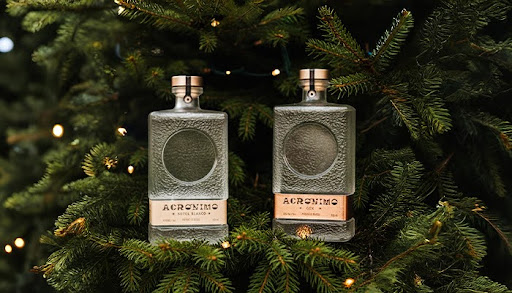
Sotol is more than a spirit. It is a story shaped by desert landscapes, patient craftsmanship, and generations of tradition in northern Mexico. Made from a wild desert plant and produced in small batches, sotol reflects the culture and environment of the Chihuahua region in every bottle. As interest in craft spirits from Mexico continues to grow, sotol is gaining attention for its authenticity and deep regional roots.
In this blog, we will explore how sotol begins in the rugged Chihuahua Desert, how the Dasylirion wheeleri plant defines its flavor, and how artisanal production methods turn it into a refined spirit.
Table of Contents
What Is Sotol and Why It Matters
Sotol is a handcrafted spirit made from the Dasylirion wheeleri plant, a succulent native to northern Mexico. Unlike tequila or mezcal, which are made from agave, sotol has a distinct, earthy flavor shaped by the desert climate. It has a long history as part of regional traditions in Chihuahua, Mexico, and has gained popularity among lovers of craft spirits Mexico. Today, sotol represents more than just a drink; it is a connection to the land, the culture, and generations of skilled producers.
The Dasylirion Wheeleri Plant and Its Desert Roots
The Dasylirion wheeleri plant thrives in the harsh Chihuahua Desert. Its long, spiky leaves and slow growth make it a hardy survivor in extreme conditions. Harvesting the plant requires patience and care because it takes years to mature. The desert soil and climate give the plant its signature flavors, which are captured in the distilled spirit. By respecting this natural cycle, producers not only create an authentic flavor but also support sustainable spirit production, protecting the desert ecosystem for the future.
Artisanal Sotol Production in Northern Mexico
Sotol production is a careful process that honors centuries of tradition. After the Dasylirion wheeleri plant reaches maturity, skilled harvesters remove the leaves to reveal the heart, known as the piña. The piñas are slow-roasted over wood fires, a method that unlocks natural sugars and develops subtle earthy flavors. Next, the roasted hearts are crushed, and the extracted juice is fermented in small batches, allowing natural yeasts to work their magic.
Each stage relies on hands-on attention. Artisans taste and monitor fermentation, ensuring consistency without shortcuts. Finally, the liquid is distilled, often in copper stills, producing a smooth spirit that captures the essence of the desert. This small-batch approach supports sustainable spirit production, as it minimizes waste, protects wild plants, and respects local ecosystems. The result is a drink that is both authentic and environmentally conscious, a true reflection of northern Mexico’s craftsmanship.
From Distillery to Bottle: Inside Acronimo Sotol Blanco
Once distilled, sotol must be handled with care to preserve its delicate flavors. Acronimo Sotol Blanco represents the perfect balance of tradition and quality. After distillation, it is carefully bottled to maintain the spirit’s crisp, earthy character that comes directly from the Chihuahua Desert. Each sip carries notes of roasted piña, light herbal hints, and a smooth finish, making it versatile for sipping neat or mixing into festive cocktails.
Acronimo Sotol Blanco is more than a drink; it is a celebration of artisanal skill. By choosing this spirit, you support craft spirits in Mexico and the small producers who dedicate years to perfecting each batch. This holiday season, it makes a meaningful addition to your table.
Sotol in Traditional Mexican Christmas Drinks
Sotol has a long history in Mexican holiday celebrations. In Chihuahua and other northern regions, it is often used in warm, festive drinks that bring family and friends together. Its earthy, slightly sweet flavor pairs beautifully with spices like cinnamon, clove, and nutmeg. You can enjoy it neat by the fireplace, or mix it into cocktails with citrus, honey, or a splash of soda for a refreshing twist.
Using sotol in traditional Mexican Christmas drinks is a way to celebrate culture and flavor. Whether you are hosting a holiday dinner or a New Year gathering, this spirit adds a unique, authentic touch that is both sophisticated and approachable. By introducing sotol to your holiday menu, you are sharing a piece of Chihuahua’s heritage in every glass.
A Thoughtful Gift for the Holiday Season
Sotol also makes a meaningful gift for the holidays. Its story, craftsmanship, and connection to the desert make it more than just a bottle on a shelf. Acronimo Sotol Blanco, in particular, is perfect for friends and family who enjoy artisanal spirits and cultural experiences.
This holiday season and New Year, consider gifting or serving sotol to celebrate tradition with a modern twist. Don’t forget the limited-time 15% off on the Acronimo bundle, making it easier to bring the spirit of Chihuahua to your table. A bottle of sotol is more than a drink; it is a conversation starter, a way to honor craftsmanship, and a festive addition to your celebrations.
Frequently Asked Questions
- What is sotol made from?
Sotol is made from the Dasylirion wheeleri plant, a wild desert plant native to northern Mexico. Unlike tequila and mezcal, which use agave, sotol comes from a different plant species. This gives it a unique, earthy, and herbal flavor shaped by the desert climate.
- How is sotol different from tequila and mezcal?
Tequila and mezcal are made from agave, while sotol is produced from the Dasylirion wheeleri plant. Sotol is typically lighter and more herbal in taste. It also comes mainly from Chihuahua, giving it a distinct regional identity among Mexican spirits.
- Is sotol a sustainable spirit?
Sotol can be sustainable when producers follow responsible harvesting and small-batch practices. Many distillers focus on sustainable spirit production by allowing plants to mature fully and replanting to protect wild desert ecosystems. These efforts help preserve both the land and the tradition.
- How is sotol traditionally consumed during the holidays?
In northern Mexico, sotol is often enjoyed during Christmas and New Year celebrations. It may be sipped neat or mixed into warm and spiced drinks. These traditional Mexican Christmas drinks bring families together and highlight the spirit’s earthy, comforting flavors.
- Why is sotol considered an artisanal Mexican spirit?
Sotol is considered artisanal because it is produced in small batches using traditional methods. Skilled producers carefully roast, ferment, and distill the plant by hand. This approach supports craft spirits in Mexico and ensures each bottle reflects regional knowledge and care.