

What is Mexican Gin? A Complete Guide to Mexico’s Emerging Spirit
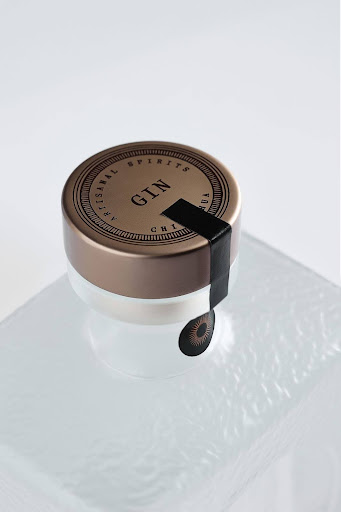
Gin is one of the world’s most popular spirits, valued for its crisp flavor and versatility in cocktails. While England, Spain, and Japan are often celebrated for their distinct Gin styles, Mexico is now stepping into the spotlight with a bold new contribution: Mexican gin.
It begins with the familiar base of juniper but takes on a new character through botanicals native to Mexico. Citrus, herbs, cacao, chili, and desert plants give it a vibrant and flavorful profile that feels both rooted in tradition and refreshingly modern.
In this blog, we will look at the history of Mexican spirits, the differences between Gin & sotol, and the botanicals that make Mexican Gin unique.
Table of Contents
The History of Mexican Spirits
To understand Mexican gin, it helps to look at the bigger picture of Mexican spirits. For generations, Mexico has been celebrated for drinks like tequila and mezcal. Both are made from the agave plant and are tied deeply to culture, rituals, and celebration.
In the northern deserts, another spirit called sotol has been distilled for centuries using the desert spoon plant. Each of these drinks carries stories of the land, the people, and traditions passed down through time.
These spirits are not just beverages. They represent community, resilience, and creativity. Distilling has always been about more than making alcohol. It is about preserving identity while adapting to new techniques. That same tradition is what opened the door for Mexican Gin to emerge.
Today, distillers are taking inspiration from this rich history. They apply the same care and artistry used in tequila, mezcal, and sotol but with a Gin base. This fusion of heritage and innovation is what makes Mexican Gin so unique. It honors the past while creating something fresh for the global stage.
Sotol vs Gin: What’s the Difference?
If you are exploring Mexican spirits for the first time, you may wonder about sotol vs gin. Both are distilled drinks, but they are very different in their origins and flavors.
Sotol comes from the desert spoon plant, which grows wild in northern Mexico. For centuries, it has been harvested and fermented by hand. The spirit is earthy, grassy, and slightly smoky, often compared to mezcal but with its own character. It is tied strongly to regional identity and tradition.
Gin, on the other hand, must be flavored with juniper berries. That is what sets it apart from other spirits. Beyond juniper, distillers add different botanicals to create distinct flavors. London Dry Gin, for example, is crisp and citrusy, while Japanese Gin might highlight yuzu and green tea.
So how do they connect? Mexican Gin makers often borrow inspiration from sotol’s earthy character. Brands like Acrónimo Gin experiment with botanicals that grow in the same regions as sotol, giving Gin a local identity. This creative crossover is what makes Mexican Gin stand out on the global stage.
Mexican Botanicals in Gin: What Makes It Unique?
The secret to crafting Gin from Mexico lies in its botanicals. Every country puts its own twist on gin, and Mexico has some of the most vibrant ingredients in the world.
Here are a few you might find in Mexican gin:
● Citrus fruits like lime and orange, which bring brightness.
● Herbs such as lemongrass, epazote, or hoja santa, adding earthy and herbal notes.
● Spices like cinnamon, cacao, and chili, which give warmth and complexity.
● Native plants from the desert and forests, connecting the Gin to the land.
These botanicals tell a story of Mexico’s regions. When blended with juniper, they create a Gin that is zesty, spicy, and layered with flavor.
Unique Gin Styles Worldwide vs Mexico’s Approach
Gin is one of the most versatile spirits because it changes character depending on where it is made. Around the world, you can taste how different regions put their own spin on it:
● London Dry Gin: crisp, dry, and focused on juniper.
● Spanish Gin: bold flavors, often paired with elaborate Gin and tonics.
● Japanese Gin: delicate and refined, highlighting yuzu, green tea, and cherry blossom.
● American Craft Gin: experimental, with local herbs and spices.
Now, Mexican Gin is joining this global family with its own distinct voice. Instead of copying traditional styles, it leans into Mexico’s natural gifts: citrus groves, wild herbs, cacao, and even desert plants. The result is a Gin that balances familiar juniper notes with unexpected earthy and spicy layers.
For many drinkers, this makes Mexican Gin both approachable and adventurous. It feels like a bridge between something you know and something entirely new.
Acrónimo Gin: Leading the Movement
Acrónimo stands out as a leader in the new wave of Mexican spirits. It is more than just a bottle on the shelf. It represents how tradition and innovation can come together to create something truly unique.
Here is what makes Acrónimo special:
● Small-batch craftsmanship: Every bottle is carefully produced in limited quantities, ensuring attention to detail.
● Mexican botanicals, including citrus, herbs, and spices native to Mexico, lend it a flavor that is unmistakably local.
● Cultural roots: Inspired by the heritage of sotol and mezcal, Acrónimo embraces Mexico’s distilling traditions while redefining them for a global audience.
● Global presence: Already making its way into cocktail bars in the United States, especially in cities like Miami and Los Angeles, Acrónimo shows how Mexican Gin is gaining international recognition.
This Gin is not only a drink, it is a story in a glass. Each sip captures the landscapes, flavors, and spirit of Mexico. For Gin lovers who are always on the lookout for the next discovery, Acrónimo Gin is an experience worth trying.
Gin Culture in Miami and Los Angeles
Two cities where Mexican Gin is quickly gaining traction are Miami and Los Angeles. Both are known for their vibrant nightlife, diverse cultures, and adventurous cocktail scenes.
In Miami, craft bars and rooftop lounges are always on the lookout for unique flavors. Mexican Gin fits right in because it pairs beautifully with tropical fruits, fresh herbs, and bold spices. Bartenders use brands like Acrónimo Gin to create cocktails that reflect Miami’s mix of Latin and international influences.
Over in Los Angeles, the story is similar but with a West Coast twist. LA’s cocktail culture leans into creativity and health-conscious choices. The fresh, herbal notes of Mexican botanicals appeal to drinkers who want something flavorful yet clean. Acrónimo Gin has already made appearances on menus where it is highlighted as part of the city’s growing love for authentic Mexican drinks.
For both cities, Mexican Gin is not just another spirit. It represents a cultural exchange, bringing Mexico’s distilling traditions into modern American cocktail life.
Cocktail Recipes with Mexican Gin
One of the best ways to enjoy craft Gin from Mexico is in cocktails. Its bold botanicals shine when paired with fresh ingredients.
Here are a few ideas you can try at home or look for at your favorite bar:
1. Mexican Negroni
● 1 oz Acrónimo Gin
● 1 oz sweet vermouth
● 1 oz Campari
Stir with ice and serve over a large cube. Garnish with an orange peel. The earthy notes of Acrónimo give this Italian classic a Mexican twist.
2. Spicy Gin and Tonic
● 2 oz Acrónimo Gin
● Tonic water
● Slice of jalapeño or chili
Pour Gin over ice, top with tonic, and add a chili slice for heat. This simple drink highlights Mexico’s love for spice.
3. Citrus Garden Gimlet
● 2 oz Acrónimo Gin
● 0.75 oz fresh lime juice
● 0.5 oz agave syrup
Shake with ice and strain into a chilled glass. The citrus and herbal notes from the Gin make this cocktail fresh and zesty.
These recipes are just the beginning. The versatility of Mexican Gin allows it to substitute for traditional Gin in almost any cocktail, lending it a lively and authentic edge.
Final Thoughts
Mexican Gin represents the perfect meeting point between heritage and innovation. By combining juniper with local botanicals, it tells the story of Mexico’s landscapes and culture in every sip.
Acrónimo Gin is at the forefront of this movement, showing how small-batch craftsmanship and authentic flavors can create a world-class spirit. For anyone who enjoys discovering new drinks, Mexican Gin offers an experience that is flavorful, distinctive, and deeply connected to tradition.
Frequently Asked Questions
1. What is Mexican Gin?
Mexican Gin is a craft spirit that blends the traditional juniper base of Gin with native botanicals from Mexico. Ingredients such as lime, cacao, herbs, and chili give it a distinctive flavor. This balance of classic Gin structure and regional character makes it a unique addition to global spirits.
2. How is Mexican Gin different from traditional gin?
Traditional gins, like London Dry or Japanese styles, rely on familiar botanicals such as citrus, coriander, or yuzu. Mexican Gin stands apart by using native plants and spices, often inspired by tequila, mezcal, and sotol traditions. The result is a bold, citrus-forward Gin with earthy and spicy undertones.
3. What botanicals are common in Mexican gin?
Mexican Gin highlights local ingredients rarely found elsewhere. Common botanicals include citrus fruits like lime and orange, herbs such as lemongrass or hoja santa, cacao for richness, cinnamon for warmth, and chili for a touch of spice. Together, these create a layered profile that reflects Mexico’s diverse landscapes and culture.
4. How does Mexican Gin compare to sotol?
Sotol is a traditional spirit made from the desert spoon plant, while Gin must include juniper. The two differ in rules and taste, yet both share ties to Mexican heritage. Some Mexican Gin makers draw inspiration from sotol’s earthy flavors, blending them with botanicals for a unique crossover identity.
5. Can I use Mexican Gin in regular Gin cocktails?
Absolutely. Mexican Gin can replace traditional Gin in classics such as the Negroni, Gimlet, or Gin and Tonic. Its bold botanicals add extra depth, spice, and brightness. Whether mixed with fresh citrus or balanced with vermouth, Mexican Gin transforms familiar recipes into vibrant drinks with a distinctly local twist.